Health Benefits of Millets: Top 7 Super Grains
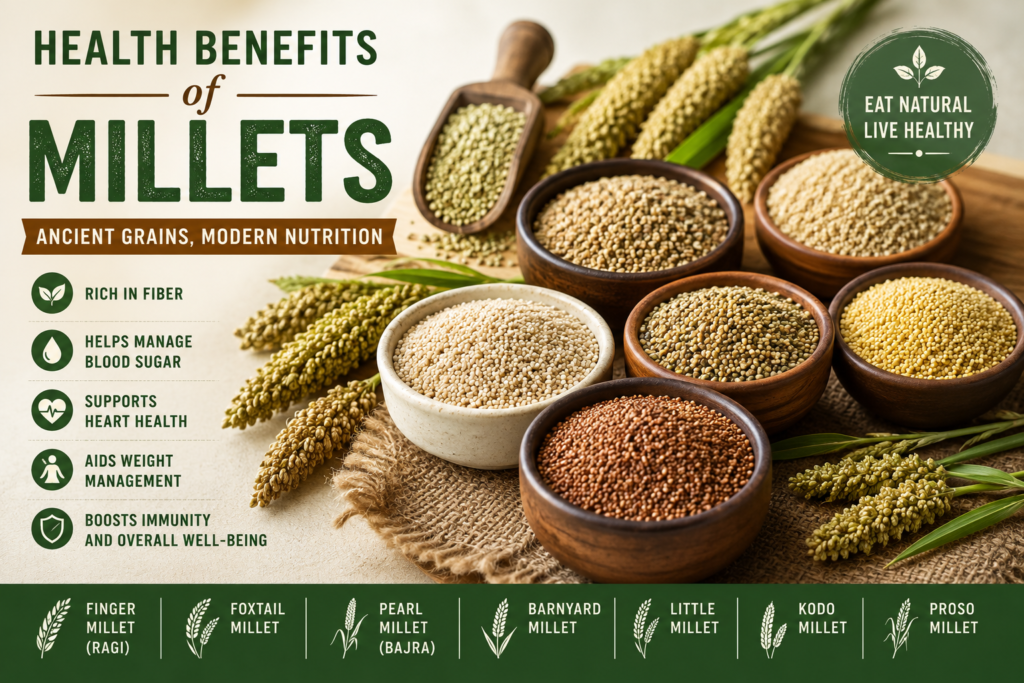
Health benefits of millets have transformed this ancient food into one of the hottest issues in contemporary nutrition. Consider a grain that has been feeding man for more than 5,000 years; needs very little water to grow; is gluten-free; is full of dietary fiber; is rich in essential minerals; and keeps your blood sugar level normal. But this is not some recent discovery; it is millet, an ancient grain that has returned as a powerful alternative food option.
Our forefathers had been using millets as a staple food long before we even began processing our food. The health benefits of millets are now coming to light as more and more people look to the natural way of combating diabetes, obesity, heart diseases, and other problems related to digestion.
Whether you need to lose weight, control your blood sugar levels, improve your digestion, increase bone strength, or simply improve your overall health condition, the health benefits of millets can help you in all these aspects.
Here’s why.
What Are Millets?
An introduction to the health benefits of millets should be preceded by an understanding of what these incredible grains are. Millets are a type of tiny-seeded cereal grains that come from the grass family. They have been grown in India, Africa, and some parts of Asia over the past thousands of years and have acted as a staple food for centuries.
Unlike white rice and refined wheat, millets remain unrefined and thus retain almost all of their natural nutritional value, which makes the health benefits of millets so interesting and attractive for researchers in this field.
Millets are recognized as one of the healthiest whole grains in the world because of their natural richness in:
- Fiber
- Protein
- Iron
- Calcium
- Magnesium
- Potassium
- Zinc
- Phosphorus
- B-complex vitamins
- Antioxidants
Moreover, most kinds of millets are naturally gluten-free, which makes them an ideal alternative for people who prefer to eat whole foods or need a gluten-free diet.
Why Are Millets Called Superfoods?
However, the astonishing health benefits of millets are what make these grains the superfoods they are known as. Being rich in essential nutrients, dietary fiber, plant proteins, vitamins, minerals, and antioxidants, millets offer many health benefits from one food.
High in Dietary Fiber
Among many other health benefits of millets, being rich in dietary fiber is certainly one of the most notable ones. Being helpful in maintaining good digestive health, preventing constipation, promoting gut health, and making you feel full, millets can be of great use in your weight management efforts.
Maintains Normal Blood Sugar Levels
Among the many other health benefits of millets, the ability to maintain normal blood sugar levels is particularly useful for diabetics. Being low to moderately low in glycemic index, millets take longer to digest than refined grains.
Contributes to Cardiovascular Health
The health benefits of millets include the promotion of cardiovascular health due to the presence of high amounts of magnesium, potassium, antioxidants, and fiber, which can contribute to maintaining cholesterol levels and normalizing blood pressure.
Aids in Weight Management
One more important health benefit of millets is their contribution to healthy weight management because of the high content of fiber and plant protein from plants, which helps in increasing satiety and avoiding excessive snacking and eating too much.
Promotes Gut Health
The health benefits of millets also include improving the function of the digestive system due to the presence of fiber that works as a prebiotic and supports the development of beneficial bacteria in the gut.
Environment Friendly Grains
In addition to the health benefits of Millets, these traditional grains have positive effects on the environment. Millets use less water compared to other cereal grains and are drought-resistant.
7 Best Millets for Better Health
1. Finger Millet (Ragi)
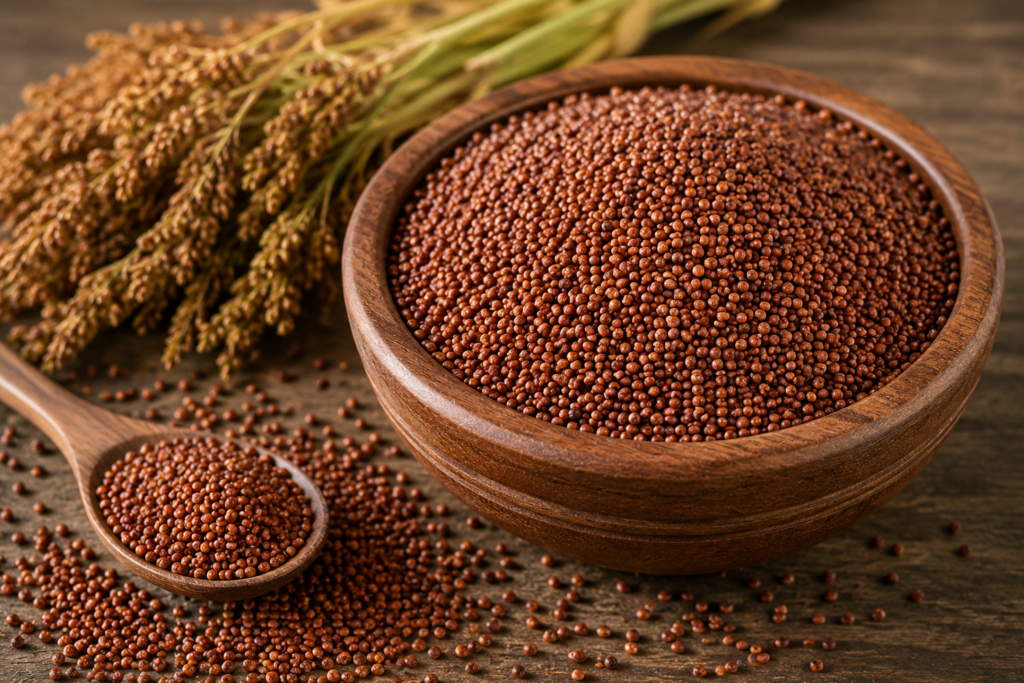
Known as the Calcium King, Ragi is a cereal that is very high in calcium compared to others.
Benefits for Health
- Beneficial for bone and tooth health
- Good for children’s development
- Helps to prevent osteoporosis
- Makes digestion easier
- Maintains blood glucose levels
- High in antioxidants
Best for
- Children
- Elderly patients
- Pregnant and nursing mothers
- Athletes
2. Foxtail Millet (Kangni or Koni Dhaan)
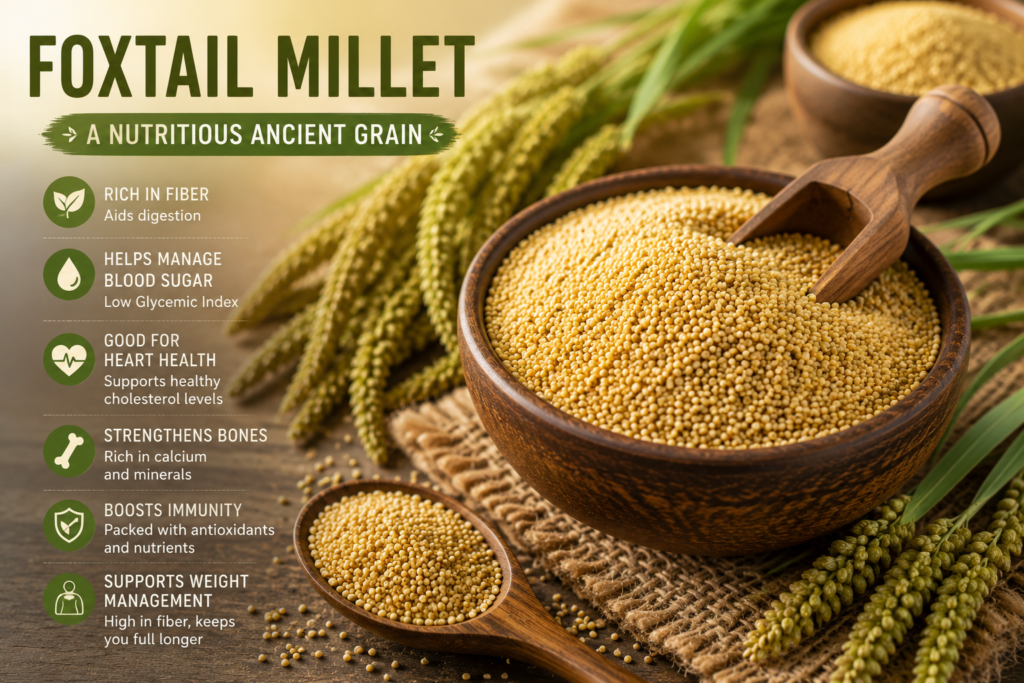
Foxtail millet can be considered one of the most suitable foods for diabetics.
Advantages
- Low glycemic index
- High fiber content
- Aids weight loss
- Improves Heart health
- Maintains stable energy level
Most Suitable For
- Diabetics
- Diets for weight loss
- Office workers
- Fitness enthusiasts
3. Pearl Millet (Bajra)
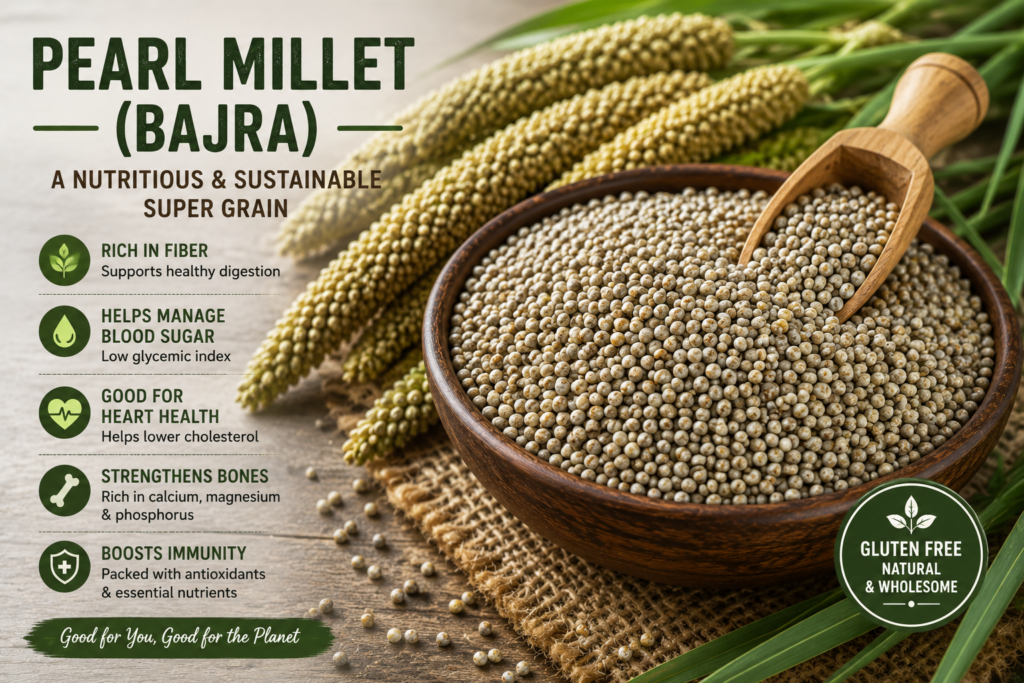
Pearl millet is an excellent source of iron and energy-giving components.
Advantages
- Helps avoid iron deficiency
- Heart-friendly
- Contains lots of antioxidants
- Promotes good digestion
- Fills you up faster
Recommended For
- Female population
- Children
- Anemic people
- Active individuals
4. Barnyard Millet (Sanwa or Koni Dhaan)
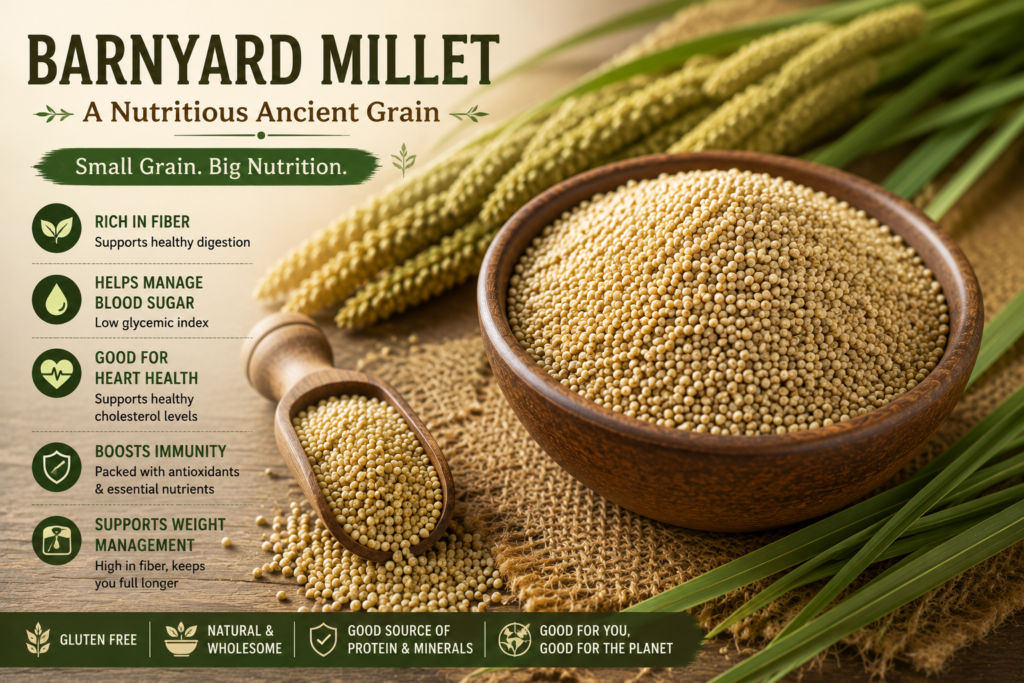
One of the highest fiber-containing millets
Benefits
- Best for regulating blood sugar
- Aids in digestion
- Lowers cholesterol levels
- Helps to manage weight
- Source of iron
5. Little Millet (Kutki or Xaoli bhaat)
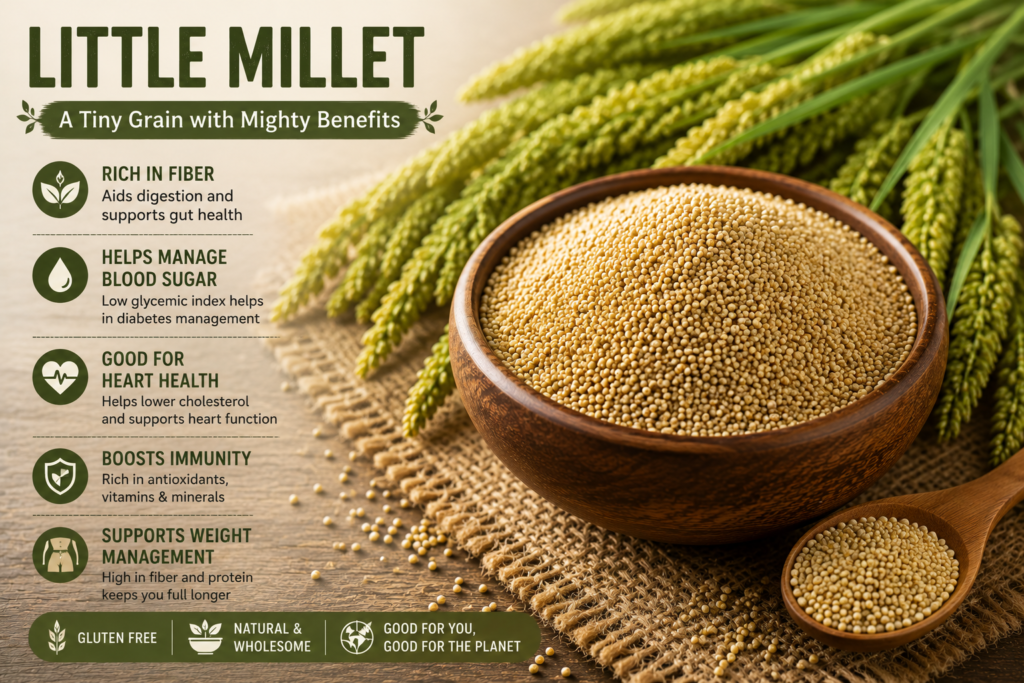
Although small in size, it is nutritionally packed.
Benefits
- Promotes digestive system health
- Contributes to vitamin B complex
- High in antioxidants
- Boosts the immune system
- Promotes heart health
6. Kodo Millet (Kodra)
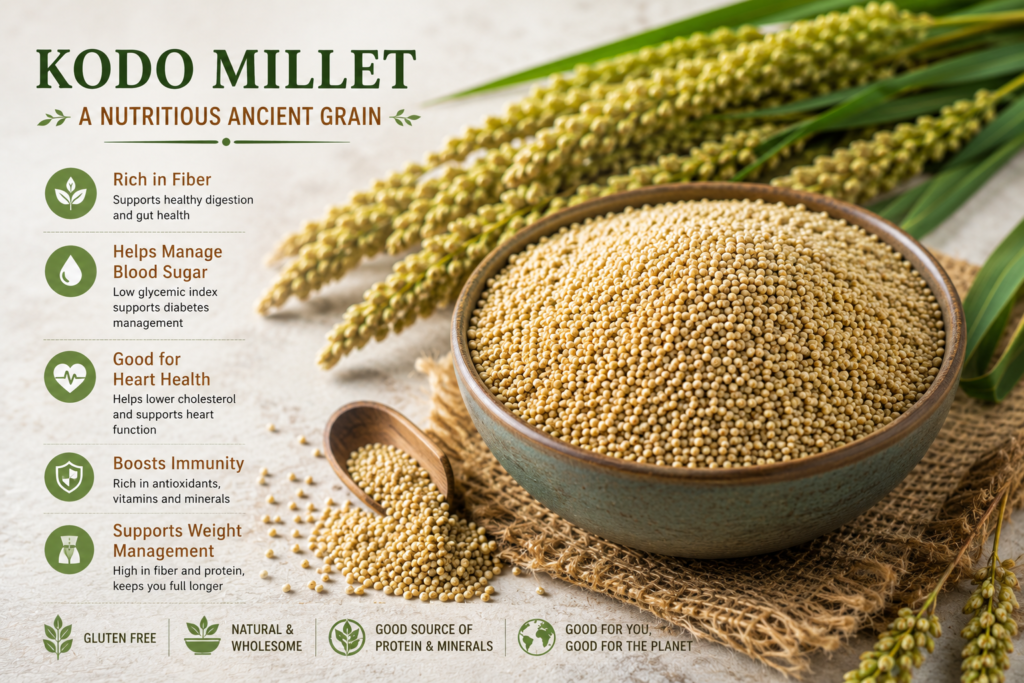
A nutritive grain that is highly fibrous.
Benefits
- Stimulates healthy digestion
- Assists in weight loss
- Benefits blood sugar levels
- High in antioxidants
7. Proso Millet (Chena or Barri)
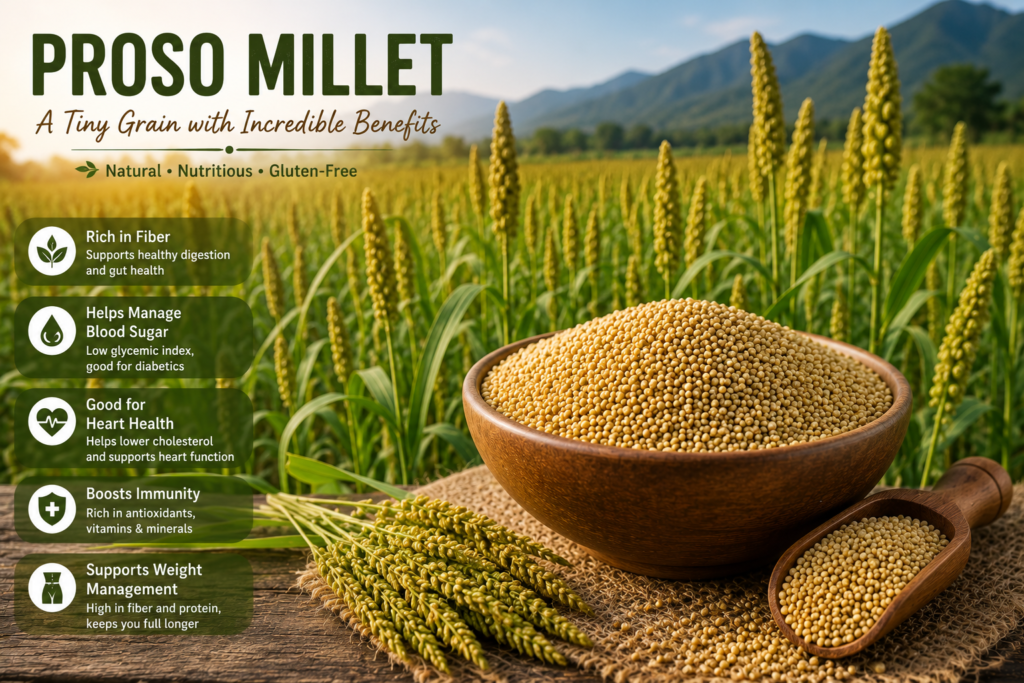
Highly nutritive with great plant protein and mineral contents.
Benefits
- Contributes to muscle strength
- Contributes to energy levels
- Metabolism booster
- High in phosphorus and magnesium
Nutritional Benefits of Millets
Health benefits of millets arise due to the extraordinary nutritional composition of this grain. It is one of the most nutritious types of grains, which contain a lot of useful substances necessary for people’s health in just one product.
Millets have:
- Complex carbohydrates
- Protein of vegetable origin
- Dietary fiber
- Iron for proper blood composition
- Calcium for strong bones and teeth
- Magnesium for muscles
- Potassium for heart muscle
- Zinc to enhance immunity
- Antioxidants
One of the main health benefits of millets is that each type of it contains various set of nutrients. For example, finger millet (ragi) is extremely rich in calcium, pearl millet (bajra) contains much iron, whereas foxtail and barnyard millets contain plenty of fiber. Thus, including all types of millets in your diet during a week will provide you with numerous Health Benefits of Millets and supply your body with all the essential vitamins and minerals.
Positive Foods to Eat with Millets
Adding nutritious foods to millets ensures balanced meals.
Vegetables
- Spinach
- Broccoli
- Carrots
- Pumpkin
- Bottle gourd
- Cabbage
- Beans
- Beetroot
Sources of Protein
- Lentils
- Chickpeas
- Kidney beans
- Green gram
- Black gram
- Soy-based foods
- Paneer
- Eggs
- Fish
- Chicken
Healthy Fats
- Almonds
- Walnuts
- Flaxseeds
- Sesame seeds
- Pumpkin seeds
Fermented Foods
- Plain curd
- Yogurt
- Conventional fermented foods
Herbs and Spices
- Turmeric
- Ginger
- Garlic
- Cumin
- Coriander
Foods to Avoid When Consuming Millets
While millets are nutritious food products, eating them together with heavily processed foods will decrease the nutritional value of the diet.
Try avoiding:
- Sugary soft drinks
- Packaged drinks with additional sugar content
- White bread
- Refined flour (maida)
- Fried foods
- Cakes
- Pastries
- Processed meats
- Instant noodles
- Highly processed packaged foods
Delicious Ways of Consuming Millets
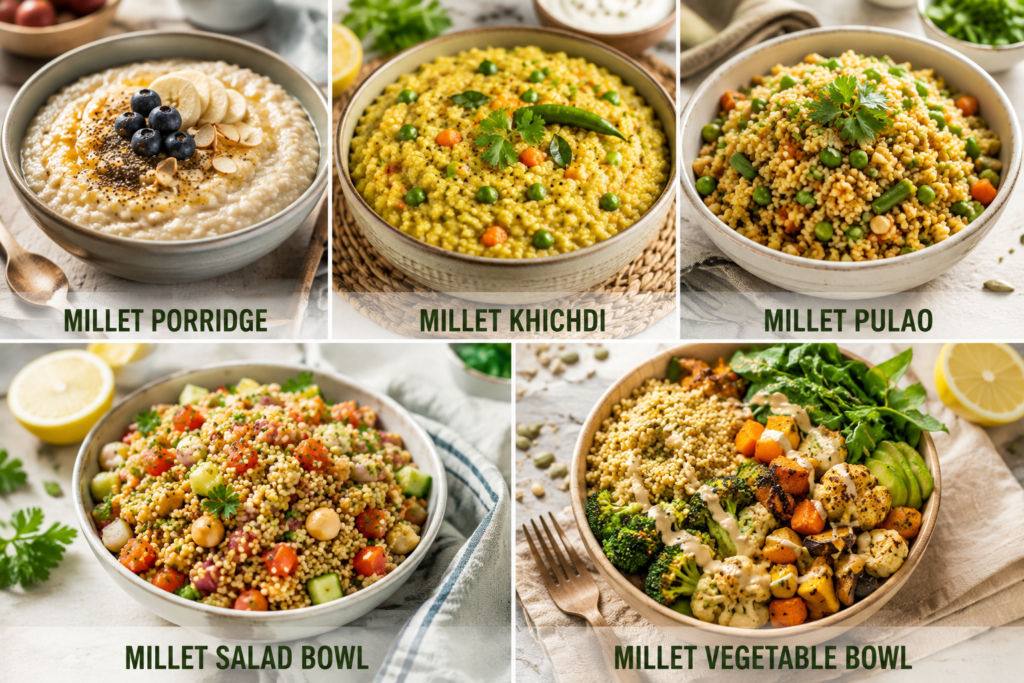
Millets are very versatile. Some of the options include:
- Millet porridge
- Millet khichdi
- Millet upma
- Millet dosa
- Millet idli
- Millet pulao
- Millet salad bowls
- Millet roti
- Millet soup
- Millet vegetable bowls
For starters, one may substitute only two or three meals of rice or refined wheat per week with millet meals.
Is Millet Good for Diabetes?
Millet has a relatively lower glycemic index compared to refined cereals, and due to its fiber content, it will delay digestion. It may help maintain steady blood sugar levels in the body as part of a balanced diet. But remember, the serving size is also important in this case.
Are Millets Good for Losing Weight?
Yes. Millet can help with weight loss since it is:
- Satiating
- Makes you feel hungry less frequently
- Gives you sustained energy
- High in fiber
- Limits overeating
It is not true that any one food helps you lose weight; however, millet can be a good part of a balanced diet with sufficient exercise.
Who Should Consume Millets?
Millets should be consumed by:
- Kids
- Students
- Office workers
- Athletes
- The elderly
- Pregnant women (along with a balanced diet)
- People who want to lose weight
- People with diabetes (under medical supervision)
Who Should Be Cautious?
Millets are healthy, but they may not suit everyone.
People who should consult a doctor before incorporating millets into their daily diets include:
- Chronic kidney disease patients who have to restrict certain minerals
- Digestive system disease patients who are advised to follow a low-fiber diet
- Thyroid disease patients should be careful about consuming too much of one type of millet as their source of grains since there are certain millets that have chemicals which may interfere with the thyroid gland when consumed in large quantities if the patient consumes insufficient amounts of iodine.
Healthy Living Assam’s Guide for Consuming Millets
✓ Opt for whole millets rather than highly processed millet products.
✓ Rotate among different types of millets each week.
✓ Combine millets with vegetables and proteins.
✓ Consume sufficient amounts of water since foods with lots of fiber need plenty of water in the body.
✓ Prefer home-cooked millet meals to packaged millet meals that may contain added sugar, salt, or unhealthy fats.
✓ Maintain proper portions of your meals.
Conclusion
Millets are not only grains but also a way back to nutritious traditional food consumption in line with modern nutrition science. The high content of dietary fiber, vitamins, minerals, antioxidants, and plant-based protein is a great value of this type of food.
If your aim is a better digestive system, blood glucose regulation, strong bone structure, heart health, or proper weight management, consuming different types of millets within the framework of a balanced diet can bring you closer to your health goals. Do not forget that changing your diet should not happen at once, but slowly by introducing meals with millets a few times per week.
We at Healthy Living Assam believe that a healthy life starts with informed eating.
Frequently Asked Questions (FAQs)
What is the best millet for diabetics?
Foxtail and Barnyard millets are usually suggested due to their low glycemic index. The total composition of the meal along with the quantity consumed is equally important.
Can one consume millets every day?
Yes, most individuals can have millets as part of a varied and balanced diet. Different varieties of grain will contribute to variety in nutrient consumption.
Is millet better than rice?
Whole millets are always better than polished rice since they contain more fiber along with various minerals. Rice is not bad either and depends on individual needs and dietary pattern.
Are millets gluten-free?
Yes, millets are gluten-free by nature. Individuals with celiac disease should purchase gluten-free products as cross-contamination during the process cannot be avoided.
Which millet is rich in calcium?
Finger millet (ragi) is known for its calcium content.
Click here to read: